Why Do Teeth Shift With Age? Common Causes Explained
Teeth can move gradually at any adult age. Small changes may reflect normal bite forces or past orthodontic treatment; movement can also signal gum disease, a missing tooth or a changing bite. The cause—not age alone—determines whether assessment is needed.
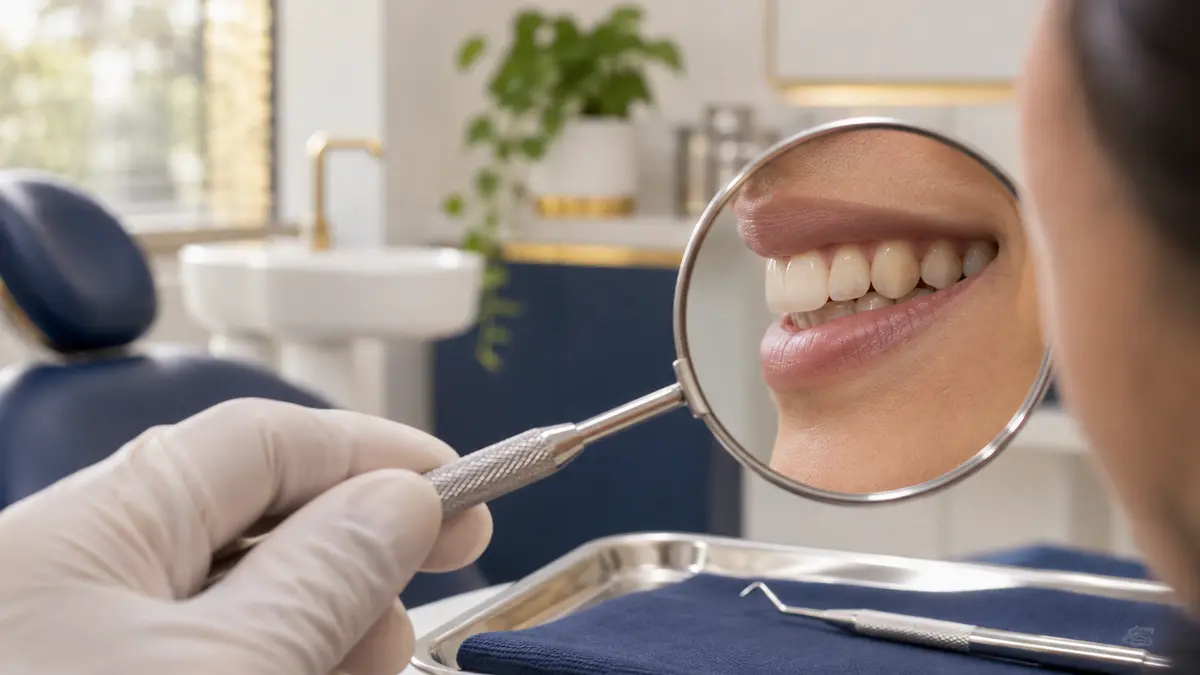
Noticing a front tooth looking more crooked, a new gap, or a change in how upper and lower teeth meet can be unsettling. Why do teeth shift with age? Teeth are held by living gum tissue and supporting bone, and they respond over time to pressure, changes in support, tooth loss and the way the bite fits together. Movement is not an inevitable result of getting older, and a noticeable or progressing change deserves a dental check.
What does tooth shifting mean?
Tooth movement means a tooth has changed position relative to neighbouring teeth or the opposing arch. It may appear as crowding, a gap, rotation, a tooth that looks longer, or a new change in the way the teeth touch. A small difference in a photograph or mirror does not identify the cause; lighting and viewing angle can also make alignment look different.
Teeth are not fused directly to jawbone. A thin ligament and surrounding bone support each root, allowing tiny adjustments under normal forces. Orthodontic treatment deliberately uses this response to move teeth. Unplanned movement, especially if it continues or comes with looseness, discomfort or gum changes, needs a professional assessment.
Common causes of adult teeth moving
1. Natural bite forces over time
Chewing and contact between teeth apply repeated forces. Gradual wear, small bite differences and lifelong changes in the supporting tissues can contribute to subtle position changes. This is not a reason to assume all movement is harmless; the pattern and symptoms matter.
2. Teeth shifting after braces or aligners
After orthodontic treatment, teeth can drift if retainers are not worn as directed or no longer fit properly. Teeth also continue to respond to forces after treatment. If a retainer feels tight, painful or will not seat fully, do not force it; contact the orthodontic clinician for advice.
3. A missing tooth or space
When a tooth is lost or removed, nearby teeth may tilt or drift into the open space, and the opposing tooth may move toward it. A change in spacing or bite can follow. Ask a dentist to assess the area and discuss suitable options rather than waiting for the bite to change further.
4. Gum disease and reduced support
Periodontitis can damage the tissues and bone that support teeth. As support weakens, teeth may become loose, spread apart or change position. Gum disease may be painless, so bleeding, persistent swelling, gum recession, bad breath or increasing spaces should not be ignored.
5. Clenching or grinding
Repeated heavy loading from clenching or grinding can place extra stress on teeth and their supporting structures. It may be associated with jaw fatigue, worn or chipped teeth, or morning soreness. It does not explain every alignment change; a dentist can check for signs and recommend care if appropriate.
6. Changes in the bite or dental work
Tooth wear, restorations, extraction or changes in jaw relationships can alter where teeth contact. A filling or crown that feels high, or a sudden new bite mismatch, merits review. Do not try to adjust a restoration or tooth yourself.
How bite changes and gum health can be related
A bite is the way upper and lower teeth meet when you close your mouth. If one tooth moves, a contact can shift; if several teeth lose support, their positions and contacts may change together. Clenching, tooth wear or a missing tooth can also change how force is distributed. These factors may overlap, so a single visible gap cannot tell you what started the change.
Healthy gums help anchor teeth. Plaque-related gum inflammation can progress to periodontitis, which affects deeper supporting tissues and bone. The American Dental Association notes that advanced gum disease can make teeth feel loose and move. This is a treatable health concern, not a normal effect of ageing. Learn about the clinic’s gum-care services and arrange an assessment if you see signs of gum problems.
For a history of braces or aligners, mention when treatment ended and whether you still use a retainer. If you have lost a tooth, tell the dentist when it happened and whether the space or neighbouring teeth have changed.
When to ask about shifting teeth
Book a dental assessment if movement is new, getting more noticeable, or affecting chewing or speech. Seek advice promptly for:
- a tooth that feels loose or seems to be moving quickly;
- new spaces, increasing crowding, or a change in how your teeth meet;
- bleeding, swollen or receding gums, persistent bad breath, or tenderness;
- pain when biting, jaw discomfort, a chipped tooth, or a restoration that feels high;
- a retainer that no longer fits, especially if forcing it causes pain.
Do not try to push teeth back into place, start an old aligner plan without professional guidance, or use a tight retainer to force movement. These steps can injure teeth or gums and delay care for the underlying cause.
How a dental evaluation looks for the cause
A dentist will ask when you first noticed the change, whether it is progressing, and whether you have pain, bleeding, a history of orthodontics, tooth loss, clenching or recent dental work. They may examine tooth positions and contacts, check gum condition and tooth mobility, and compare findings with earlier records if available. X-rays may be recommended when clinically appropriate to assess roots and supporting bone; they are not needed for every person.
Next steps depend on the findings. Care may focus on gum health, a bite or restoration concern, retention after orthodontics, or planning for a missing tooth. If tooth alignment treatment is being considered, an examination helps establish whether gums and supporting tissues are healthy enough and which options are suitable. The clinic’s orthodontics information gives an overview of alignment care.
For an appointment in Kanpur, use the clinic’s contact page or call +91 87075 04822.
Can you prevent teeth from shifting?
You cannot prevent every age-related change, but you can protect the structures that support teeth: brush twice daily with fluoride toothpaste, clean between teeth daily, and keep regular dental visits according to professional advice. Do not smoke; tell your dentist about medicines and health conditions that may affect oral health. If you have a retainer, follow the instructions given by your orthodontic clinician and ask for review when its fit changes.
In short, mild gradual movement can have several explanations, but age itself is not a diagnosis. Watch for progression, looseness, gum symptoms or bite changes—and seek an assessment to identify the cause before choosing treatment.
Noticed a new bite or gum change?
A dental examination can help distinguish ordinary minor drift from a problem with gum support, tooth position or bite.
Further reading
- American Dental Association, MouthHealthy: Gum Disease
- American Dental Association, MouthHealthy: Dental Health Concerns for Adults Over 60
Educational information only; it cannot diagnose the cause of tooth movement or replace an individual dental examination.